
NIH RADx Initiative
improving at-home tests for Better Health Results
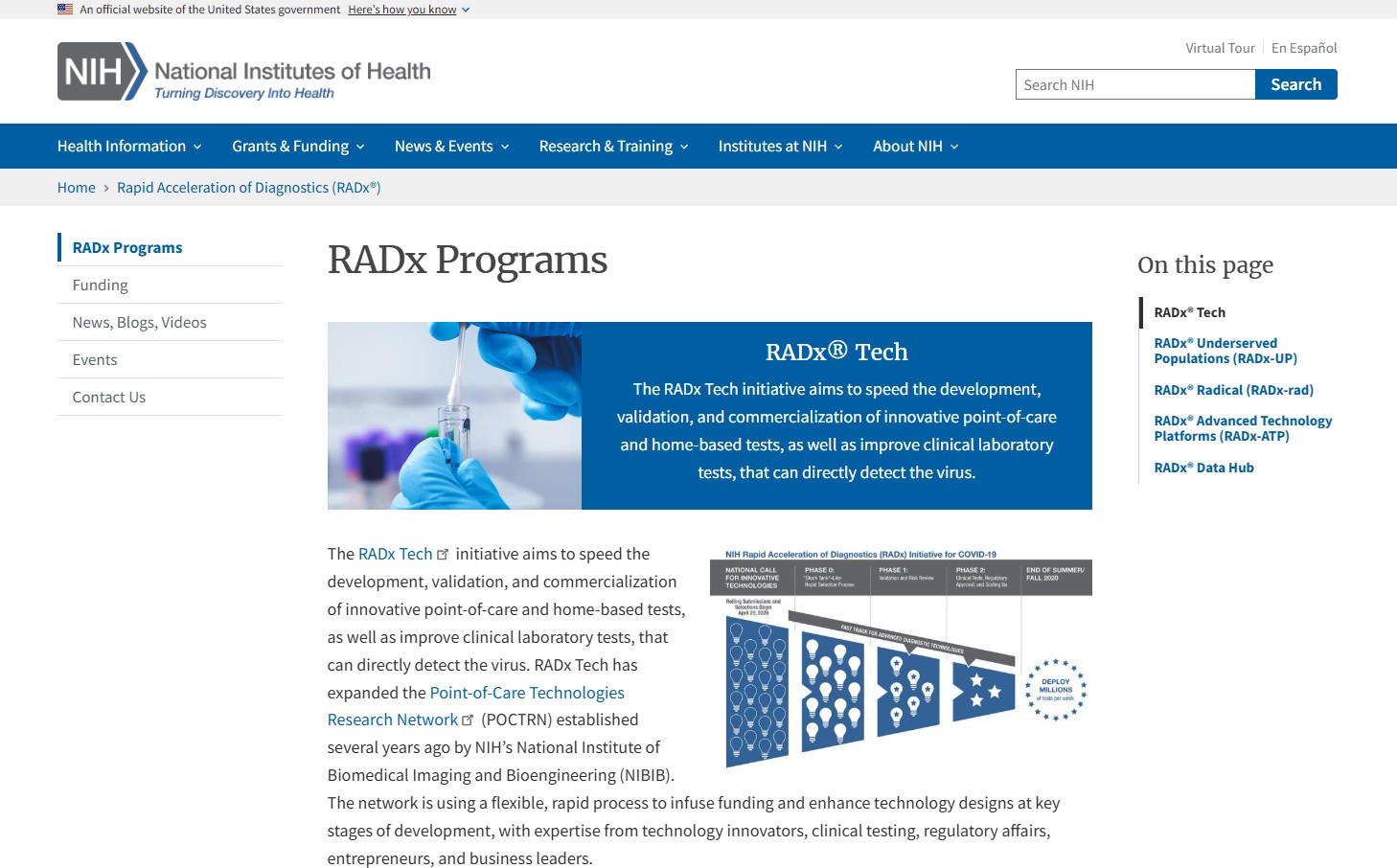
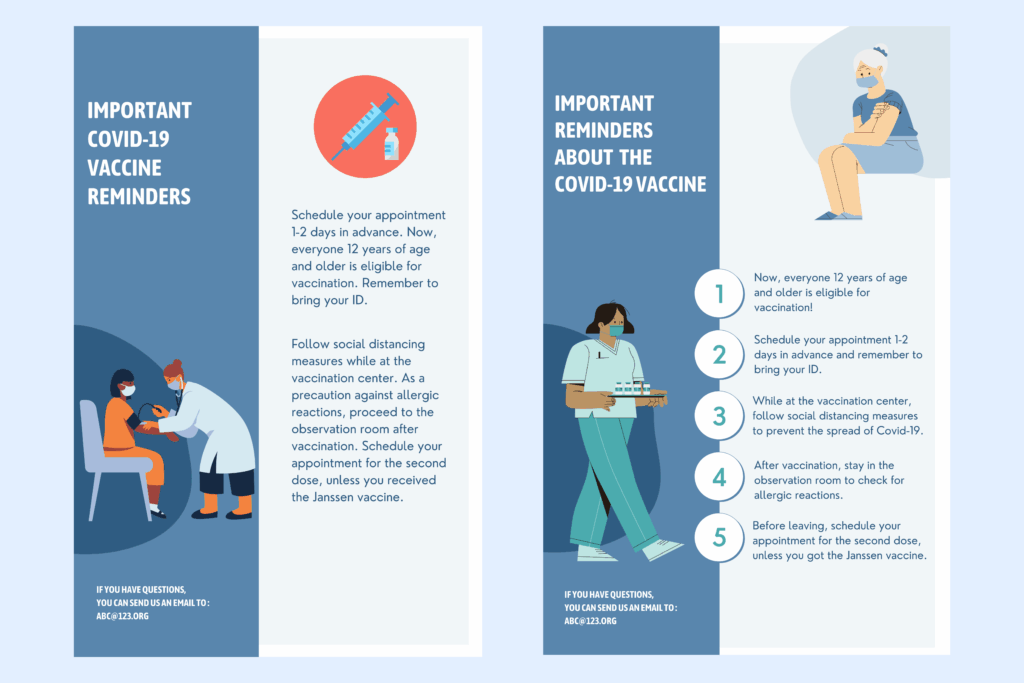
For confidentiality reasons, the examples shown in this case study are teaching samples created by Plainlii. They do not contain or reproduce any proprietary or unpublished materials from the RADx project. To demonstrate the kind of improvements we made, the examples here show how confusing, cluttered, or overly medical visuals can be transformed into clearer and more reassuring information.
During the COVID-19 pandemic, millions of people relied on rapid antigen tests—but the original Quick Reference Instructions were filled with jargon, unclear visuals, and incomplete steps.
This created risk: user errors, invalid results, and unequal access for people with low literacy, limited English proficiency, or disabilities.
Plainlii redesigned the instructions from the ground up:
Full assessment using four validated tools (PEMAT, SAM, CDC Clear Index, PLAIN Index)
Complete rewriting of instructions and regulatory content in plain language
Redesign of all images with accessibility principles
Integration of feedback from FDA experts, Industry stakeholders, and disability advocacy groups
Structure optimized for assistive technologies like screen readers and scanners
Alignment with ISO 24495 and federal plain language best practices.
User Research Design
To ensure the revised instructions worked for real test users, we developed a user-testing questionnaire and interview guide. These tools helped us gather clear, actionable feedback on comprehension, usability, accessibility, and step accuracy.
Participants were asked to walk through the instructions, explain what they understood, and identify confusing wording, unclear visuals, or steps that felt risky or incomplete.
User Research Analysis
We analyzed responses across key areas—including clarity, structure, accessibility, and user confidence—and used these insights to guide revisions. This analysis helped us refine language, simplify steps, improve visual cues, and adjust layout for users with low vision, low dexterity, aging-related needs, or limited health literacy.
Users were able to follow testing steps more accurately, reducing invalid tests.
Advocacy groups praised improved accessibility for low vision, no vision, aging adults, and users with limited dexterity.
FDA reviewers provided highly positive feedback on clarity and user-centered design.
The work contributed to the U.S. Access Board’s Best Practices for Accessible COVID-19 Home Tests.
Service Categories
This case study includes:
Plain Language Editing • Document Redesign • Accessibility • User Testing • Regulatory Alignment
Why It Matters
Clear health communication saves time, reduces errors, and improves public safety. This project strengthened confidence in a test used nationwide and demonstrated how plain language directly impacts health outcomes.
Due to NIH confidentiality requirements, no proprietary or unpublished materials from the RADx Tech initiative appear in this case study. All examples shown are teaching samples created by Plainlii solely for demonstration purposes.
Contact us
Reach out, we try to answer all emails within 24 hours on business days.
We will be happy to answer your questions and help you achieve bolder communication results with writing, translation, and elearning!